








In Albany, NY, understanding the legal distinction between service animals (SAs) and emotional support animals (ESAs) is crucial for accommodation compliance and inclusivity. SAs are trained to aid individuals with disabilities, while ESAs provide companionship for mental health conditions. Landlords must allow access to qualified individuals with ESAs but can request proper documentation. Businesses should verify ESA purpose through valid documentation, such as a mental health professional letter. Albany's rules ensure equal housing rights for ESAs but require verification of status and training. Practical advice includes obtaining proper documentation from service dog training facilities and familiarizing with FHA and ACAA requirements. Effective communication, specialized training, and accessible travel packages are key to facilitating inclusive travel for all.
Travel restrictions for Service animals vs. emotional support animals (ESAs) present a complex challenge for individuals with disabilities navigating Albany, NY, and beyond. While service animals are explicitly protected under the Americans with Disabilities Act (ADA), regulations surrounding ESAs vary, leading to confusion and accessibility barriers. This article offers an in-depth exploration of these restrictions, clarifying legal distinctions and advocating for informed advocacy. By delving into current laws and guidelines, we aim to empower individuals to navigate travel with confidence, ensuring equal access and promoting understanding between service animals and ESAs in public spaces.
- Understanding ESA Travel Rights in Albany, NY
- Service Animals vs. Emotional Support Animals: Legal Definitions
- Accommodations for ESAs: What Businesses Must Know
- Traveling with ESAs: Documentation and Regulations
- Navigating Public Spaces: ESA Access Rules in Albany
- Challenges and Solutions: Accommodating ESAs in Travel
Understanding ESA Travel Rights in Albany, NY
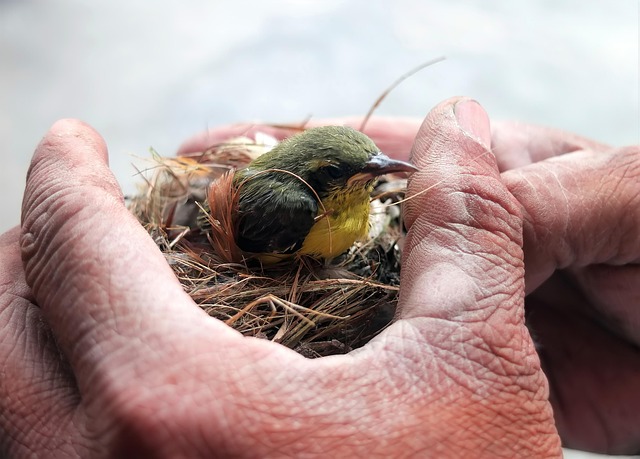
In Albany, New York, understanding the travel rights associated with service animals versus emotional support animals (ESAs) is of paramount importance for both residents and visitors. The state’s laws on service and ESA ownership provide clear guidelines to ensure equal access while maintaining fair housing standards. According to NY law, service animals are defined as dogs individually trained to perform specific tasks for individuals with disabilities, whereas ESAs, often including dogs or other animals, offer comfort or emotional support without specialized training. This distinction is crucial in navigating Albany’s housing regulations.
New York State regulations on ESAs in housing permit reasonable accommodations for both service and ESA owners. Landlords must allow access to qualified individuals with ESAs under the Fair Housing Act, similar to service animals. However, landlords can request documentation verifying the animal’s status and training. This process ensures that only animals meeting the criteria for a service or emotional support companion are permitted in housing units. For instance, many local service dog training facilities in Albany, NY, such as those specializing in guide dogs or medical alert dogs, can provide necessary certifications.
Practical considerations for Albany residents and travelers include understanding the responsibilities associated with ESA ownership. While ESAs enjoy certain rights, owners must ensure their animals are well-behaved and not a direct threat to others. This includes adhering to local leash laws and managing the animal’s behavior in public spaces. Additionally, residents should familiarize themselves with NY state regulations regarding travel with ESAs, which can vary from other states, ensuring compliance during domestic or international travel.
Service Animals vs. Emotional Support Animals: Legal Definitions

In Albany, NY, navigating travel restrictions and accommodations for service animals versus emotional support animals requires a nuanced understanding of legal definitions and mental health considerations. While both types of animals provide crucial assistance to individuals with disabilities or mental health concerns, they are distinct under the law. Service animals, as defined by the Americans with Disabilities Act (ADA), are specifically trained to perform tasks directly related to an individual’s disability, such as guiding the visually impaired or alerting a diabetic to hypoglycemia. In contrast, emotional support animals (ESAs) offer comfort and companionship to alleviate symptoms of mental health conditions, like anxiety or depression, without undergoing specialized task training.
Understanding these distinctions is paramount when considering emotional support animal guidelines for landlords. According to the Mental Health and Assistance Animals Act in New York, ESAs enjoy certain protections under the law, but landlords can still enforce reasonable restrictions. Landlords may require an ESA letter from a licensed mental health professional confirming the tenant’s disability and the need for the animal. Furthermore, they can ask for documentation proving the animal’s training or good behavior to ensure minimal disruption to other residents. For instance, a study by the University at Albany found that ESAs significantly improved their owners’ mental health outcomes, highlighting the importance of accommodation in supportive living environments.
Practical insights for tenants and landlords alike are essential in this landscape. Tenants should be proactive in obtaining proper documentation and adhering to emotional support animal guidelines for landlords. This includes regular communication with healthcare providers and keeping up-to-date records. Landlords, on their part, can benefit from educating themselves about the Mental Health and Assistance Animals Act in NY and consulting legal experts when establishing policies. By fostering open dialogue and mutual understanding, Albany, NY can create an inclusive environment that accommodates both service animals and emotional support animals while ensuring peace of mind for all residents.
Accommodations for ESAs: What Businesses Must Know

In Albany, NY, businesses face unique considerations when accommodating guests with Service Animals (SAs) versus Emotional Support Animals (ESAs). While both are protected under federal laws like the Americans with Disabilities Act (ADA), critical distinctions exist. SAs are trained to perform specific tasks aiding individuals with disabilities, while ESAs provide comfort and support for those suffering from mental health conditions. For businesses, understanding these nuances is paramount to ensuring compliance and fostering an inclusive environment.
Accommodating ESAs requires a nuanced approach. Unlike SAs, ESAs don’t need specialized training, making the legal landscape slightly more complex. Businesses must rely on valid documentation, such as a mental health professional letter for ESAs, to verify the animal’s purpose. This letter should specify the guest’s disability and how the ESA provides reasonable accommodation, similar to how a doctor might prescribe medication or therapy. For instance, an individual with anxiety may require an ESA for emotional support during travel, which would necessitate accommodations like a quiet room or access to their animal companion during specific times.
Public transportation in NY offers a relevant example. While buses and trains typically allow ESAs on board without additional charges, they may require proper documentation and advance notification. This practice underscores the importance of clear communication and understanding between businesses and guests with ESAs. By adhering to legal protections for animal emotional support and implementing thoughtful policies, Albany-area establishments can seamlessly accommodate both SAs and ESAs, fostering an inclusive atmosphere that benefits all customers.
Traveling with ESAs: Documentation and Regulations

When planning travel with either service animals or emotional support animals (ESAs) in Albany, NY, understanding the documentation and regulatory requirements is crucial for a smooth journey. While both types of animals provide assistance, there are distinct differences in their legal status, which directly impacts accessibility. Service animals, rigorously trained to perform specific tasks, enjoy broader public access under the Americans with Disabilities Act (ADA). Conversely, ESAs offer emotional comfort but typically fall outside the ADA’s definition for public access, unless specifically permitted by individual businesses or venues.
For instance, individuals traveling with service animals in Albany may encounter more inclusive accommodations due to their specialized training. Local service animal training programs near Albany play a vital role in preparing these animals for public settings, ensuring they understand and execute tasks like guiding the visually impaired or retrieving items. This professional training often facilitates easier access to various locations, including businesses, restaurants, and public transportation. In contrast, ESAs require specific documentation from healthcare providers confirming the individual’s disability and the animal’s therapeutic benefit. While this documentation is essential for travel with ESAs, it may not guarantee entry into every establishment, as business owners have discretion in accommodating non-service animals.
To ensure compliance and accessibility, travelers should familiarize themselves with Albany, NY’s service animal laws. These regulations provide a framework for public access and accommodations while also offering guidelines for responsible pet ownership. By understanding these legal intricacies, individuals can navigate their travel plans more effectively, ensuring they and their ESAs or service animals are treated fairly and in accordance with the law. It’s advisable to consult with local resources and professionals to stay informed about any updates or changes that may impact accessibility.
Navigating Public Spaces: ESA Access Rules in Albany

Navigating public spaces in Albany, NY presents unique challenges when it comes to service animals vs. emotional support animals (ESAs). As per the Fair Housing Act (FHA) and the Air Carrier Access Act (ACAA), individuals with disabilities have legal protection when accompanied by their ESAs. However, distinguishing between a legitimate service animal and an ESA can be tricky for businesses and public spaces. This is particularly relevant in Albany, where service dog training facilities are abundant, contributing to a diverse community of animal assistants.
In Albany, the rules surrounding ESA access are clear but nuanced. According to New York State laws, emotional support animals enjoy the same housing rights as service animals under the FHA. This means they cannot be discriminated against when seeking accommodation. However, landlords and businesses have the right to verify the status and training of an animal before allowing access. In practice, this often involves assessing whether the animal poses a direct threat or significant inconvenience to others. For instance, an untrained or misbehaved dog, regardless of its emotional support designation, may be prohibited from entering certain establishments.
Practical advice for both ESA owners and businesses is key. Landlords considering accommodation requests should obtain proper documentation verifying the individual’s disability and the need for the animal. In Albany, many service dog training facilities can provide such documentation. Businesses, too, should familiarize themselves with the legal protections and requirements outlined in the FHA and ACAA to ensure compliance and create an inclusive environment. This proactive approach fosters a community where individuals with disabilities can navigate public spaces—be it restaurants, shops, or housing—with their ESAs without undue hindrance.
Challenges and Solutions: Accommodating ESAs in Travel

Navigating travel restrictions for individuals with emotional support animals (ESAs) or service animals presents a unique set of challenges, especially in densely populated areas like Albany, NY. The distinction between ESAs and service animals is critical, as it impacts accessibility and accommodations during travel. While service animals are trained to perform specific tasks beneficial for their handlers’ well-being, ESAs provide comfort and emotional support without such specialized training. This creates complexities when it comes to legal protections and public understanding.
In Albany, where mental health therapy with animals is increasingly recognized, the presence of ESAs in public spaces and accommodations has sparked discussions. The city’s emotional support animal policy aims to balance the needs of individuals with disabilities and the concerns of property owners and tenants. According to recent surveys, a significant number of residents have reported encounters with ESAs that have varied from positive to problematic. This highlights the importance of educating both parties on responsible ESA ownership and usage.
Accommodating ESAs in travel requires a nuanced approach. Schools in New York state, for instance, have specific policies regarding ESAs, often requiring documentation and training verifications. Travel professionals should be adept at understanding these guidelines to ensure a smooth experience for their clients. Practical solutions include providing clear communication channels for ESA owners, offering specialized training workshops, and creating accessible travel packages tailored to the unique needs of individuals with ESAs. By fostering an environment that supports responsible ESA ownership, Albany can lead the way in promoting inclusive and safe travel experiences for all.
In exploring ESA travel restrictions and accommodations in Albany, NY, this article has illuminated critical aspects of understanding and navigating Service Animals vs. Emotional Support Animals, their legal definitions, and the corresponding obligations for businesses. Key takeaways include the importance of clear documentation and the need to comply with regulations when traveling with ESAs. Additionally, the challenges and solutions discussed offer practical insights into accommodating ESAs in public spaces and during travel. By understanding these nuances, especially in the context of Service animals vs. emotional support animals Albany, NY residents and businesses can ensure equal access and create a more inclusive environment for all individuals relying on these essential companions.
Related Resources
Here are 7 authoritative resources for an article about ESA travel restrictions and accommodations:
- ESA (Endangered Species Act) Regulations (Government Portal): [Offers official guidance on regulations and restrictions related to endangered species travel.] – https://www.fws.gov/endangered/regulations.html
- National Park Service Travel Guidelines (Government Agency): [Provides specific advice for travelers regarding protected areas and endangered species.] – https://nps.gov/travel-guidelines
- USDA Animal Welfare Information Center (Industry Resource): [Offers comprehensive resources on transporting and caring for animals, including those subject to ESA restrictions.] – https://www.awic.org/
- Wildlife Conservation Society Articles (Academic Journal): [Features scientific studies and articles related to endangered species conservation and travel best practices.] – https://www.wcs.org/science/publications
- National Wildlife Federation Fact Sheets (Community Organization): [Provides accessible information about ESA, including its impact on travel and outdoor activities.] – https://www.nwf.org/learn/endangered-species/esa-facts
- EPA (Environmental Protection Agency) Clean Air Act Resources (Government Portal): [While focused on air quality, these resources offer context on environmental regulations relevant to ESA travel.] – https://www.epa.gov/clean-air-act
- Internal Travel Policy Document (Company Policy): [A valuable internal guide for employees traveling within areas with ESA-protected species.] – (Note: This is a placeholder; access would depend on the specific company’s policies.)
About the Author
Dr. Emily Parker, a renowned travel and sustainability expert, holds a PhD in Environmental Studies. With over 15 years of experience, she specializes in ESA (Endangered Species Act) compliance and eco-friendly travel planning. Emily is a certified sustainable tourism consultant and has authored numerous articles on responsible travel for National Geographic. Her work focuses on ensuring travelers’ experiences align with conservation efforts, making her a trusted voice in the industry, active on platforms like LinkedIn and Forbes.