
Navigating ESA registration renewal in Albany, NY requires understanding service animals vs. emotional support animals (ESAs). Key differences: service dogs are task-specific, require extensive training, and have broad public access rights under the ADA. ESAs provide comfort but don't need specialized training, have limited access, and registration is optional. Residents must distinguish between them, follow local regulations, and ensure proper documentation for legal protections.
The proper registration of service animals versus emotional support animals (ESAs) is a vital issue for individuals across Albany, NY, and beyond who rely on these companions for assistance or comfort. With evolving legal landscapes and growing public awareness, navigating the ESA registration renewal process can be complex and confusing. This article offers an authoritative guide, breaking down each step to ensure compliance, clarify distinctions between service and emotional support animals, and empower individuals to maintain the legal protections they need.
- Understanding ESA Registration Requirements in Albany, NY
- The Difference: Service vs. Emotional Support Animals
- Step-by-Step Guide to Renewal Process
- Legal Implications and Common Pitfalls to Avoid
Understanding ESA Registration Requirements in Albany, NY
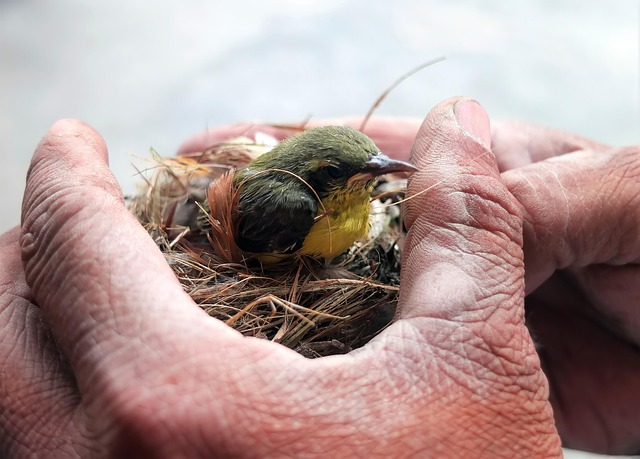
In Albany, NY, understanding the ESA registration renewal process requires a nuanced grasp of the distinction between service animals and emotional support animals. According to the New York State Disabilities Law, a service animal is specifically defined as a dog that is individually trained to do work or perform tasks for the benefit of a person with a disability. This includes guiding blind individuals, alerting deaf or hard-of-hearing people to sounds, pulling a wheelchair, or providing stability to someone with a seizure disorder. On the other hand, an emotional support animal (ESA) offers comfort and companionship to individuals suffering from mental health conditions but does not perform tasks directly related to their disability.
The renewal process for ESA registration involves several critical steps. First, owners must obtain a letter from a qualified healthcare provider confirming their eligibility for an ESA. This letter should include the type of disability and how the ESA provides reasonable accommodation. Second, they need to ensure their animal is properly trained and behaves appropriately in public settings, adhering to the Americans with Disabilities Act (ADA) standards. For instance, service dogs must be under control at all times, responding to basic commands like "sit," "stay," and "come."
In Albany, NY, it's essential to note that local regulations may have additional requirements. Owners should check with their local authorities for any specific guidelines regarding ESA registration and documentation. Furthermore, understanding the difference between a service dog and a pet is crucial during the renewal process. While a service animal enjoys public access rights under the ADA, pets generally do not. For example, if an individual's emotional support dog displays aggressive behavior in a public place, it may no longer qualify as a protected ESA under the law. Regular training and obedience classes can help ensure your animal remains compliant with these requirements during the registration renewal process.
The Difference: Service vs. Emotional Support Animals

Understanding the distinction between service animals and emotional support animals (ESAs) is crucial for residents of Albany, NY, navigating the ESA registration renewal process. While both types of animals offer companionship and assistance, they serve distinct purposes recognized by New York State laws. A service animal, as defined by the New York State Education Law, is a dog that has been individually trained to perform specific tasks or do work for an individual with a disability. For instance, a guide dog assisting a visually impaired person or a service dog alerting someone with seizure disorders are common examples. On the other hand, ESAs provide emotional and psychological support but are not required to perform specific tasks. They offer comfort and companionship to individuals suffering from mental health conditions such as anxiety or depression.
The registration process for both types of animals differs significantly. To register a service animal in New York State, owners must submit a completed service animal registry application along with documentation from a qualified professional verifying the animal's training and behavior. This ensures that only well-trained animals capable of performing specific tasks are recognized as service animals under the law. For ESAs, the requirements are less stringent. While registration is optional, owners may benefit from legal protections against discrimination when accommodating their ESA. It's important to note that ESAs do not require specialized training and typically include pets like cats, dogs, or even horses that provide emotional comfort.
Practical insights for Albany residents include consulting with healthcare professionals to obtain appropriate documentation for either type of animal. For service animals, this might involve working with a certified trainer or therapist. Understanding the specific needs of your companion is key, as it influences how you prepare and present your application. Additionally, familiarizing yourself with your rights and responsibilities under New York State laws pertaining to service animals and ESAs is essential for ensuring a smooth renewal process and protecting your legal standing as an animal owner.
Step-by-Step Guide to Renewal Process

Renewing your ESA registration in Albany, NY can seem like a daunting task, especially with the evolving regulations surrounding service animals versus emotional support animals (ESAs). This step-by-step guide aims to demystify the process and equip you with the knowledge needed for a smooth renewal.
First, understand the distinction between an emotional support dog vs. a pet. Your ESA must be individually trained to perform specific tasks that mitigate your disability, setting them apart from companion animals or pets. For instance, an emotional support dog might be trained to sense when their handler is experiencing anxiety and provide calming reassurance, whereas a regular pet would not have such specialized training. Similarly, comparing service animals (who are trained to perform specific tasks for the benefit of a person with a disability) to therapy animals (which offer comfort and affection but aren't task-trained) is crucial in navigating ESA laws.
In New York, emotional support dog certification isn't legally required, but having documentation from a licensed mental health professional confirming your need for an ESA can streamline the renewal process. When renewing, you'll typically need to update any information that has changed since your last registration, including your personal details or the details of your ESA's training. The process often involves submitting updated forms along with any applicable fees. It's advisable to start gathering these documents early to avoid delays.
Remember, staying informed about the legal distinction between emotional support dogs and other animals is vital. Keep yourself updated on local and federal laws governing ESAs, as regulations can change. By following these steps and staying proactive, you'll ensure a successful ESA registration renewal in Albany, NY, enabling you to continue enjoying the benefits of your emotional support companion with less hassle.
Legal Implications and Common Pitfalls to Avoid

The ESA registration renewal process in Albany, NY, involves a complex interplay of legal considerations, particularly when differentiating between service animals and emotional support animals (ESAs). While service dogs undergo rigorous training to perform specific tasks for their handlers, ESAs provide comfort and support, often with less formal training. Landlords and public accommodations must navigate these distinctions carefully under the Americans with Disabilities Act (ADA) and other relevant laws. One common pitfall is misclassifying an animal as a service dog when it qualifies merely as an ESA, which can lead to legal challenges and confusion.
For instance, in Albany, NY, service dog training facilities play a vital role in preparing dogs to assist individuals with disabilities. These trained service animals enjoy broad access rights under the ADA, including entry into public spaces and accommodations without additional fees. Conversely, ESAs enjoy lesser protections; they must be reasonably accommodated, but their handlers are generally not exempt from certain policies or requirements. Landlords may require emotional support animal guidelines, such as providing documentation from a healthcare provider and verifying the animal's behavior through training or certification.
Another legal implication arises from the lack of uniform emotional support animal regulations nationwide. In Albany, NY, as in many areas, there's no one-size-fits-all approach to ESAs. This variability necessitates both landlords and animal owners to stay informed about local laws and guidelines. For example, some communities may require registration or microchipping for ESAs, while others might not. Legal protection for emotional support animals varies as well, with some states offering stronger protections than others. Awareness of these nuances is crucial to avoiding misunderstandings and potential legal issues during the ESA registration renewal process.
To mitigate risks, landlords should educate themselves on the difference between service dogs and ESAs, adhering strictly to applicable laws. Likewise, animal owners should ensure their emotional support animals meet any required criteria, such as being trained appropriately under the circumstances. Staying current with local regulations related to service dog training facilities in Albany, NY, and emotional support animal guidelines can help foster a harmonious coexistence for all involved parties.
The article has thoroughly explored the ESA registration renewal process in Albany, NY, shedding light on crucial distinctions between service animals vs. emotional support animals. By understanding these requirements and navigating the step-by-step guide, individuals can ensure their legal compliance. Key takeaways include recognizing the specific needs of each animal category, staying informed about legal implications, and avoiding common pitfalls to maintain a valid ESA registration. This comprehensive approach empowers individuals in Albany, NY, to advocate for themselves and their support animals effectively, ensuring a smoother process and enhanced accessibility.