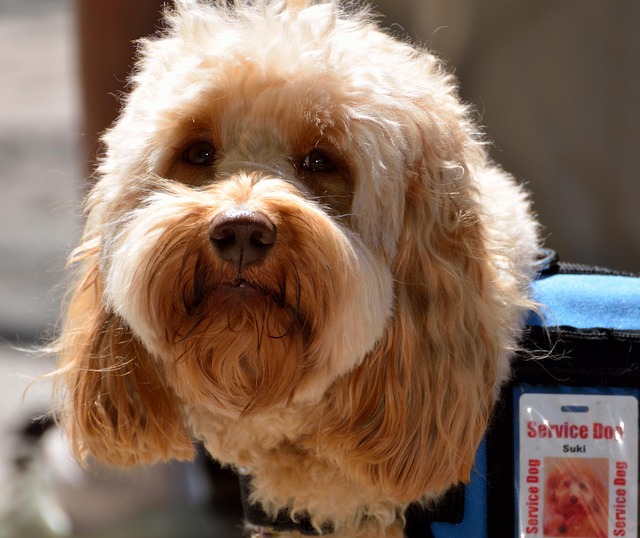
ESA Policy: Navigating Albany, NY’s Service vs. Emotional Support Animals
In Albany, NY, landlords must differentiate between service animals (ADA-defined task performers) and emotional support animals (ESAs), which provide…….
In the bustling metropolis of Albany, New York, a unique and often misunderstood dynamic unfolds: the relationship between service animals and emotional support animals (ESAs). These creatures play pivotal roles in enhancing the lives of individuals with disabilities or mental health challenges. However, distinguishing between these two and understanding their legal frameworks is crucial for fostering an inclusive society. This article aims to dissect the intricate world of service animals and ESAs in Albany, providing valuable insights into their definitions, significance, and the ongoing debates surrounding them. By exploring various facets, from global trends to policy implications, readers will gain a comprehensive understanding of this vital topic.
Service Animals: These are specifically trained animals that assist individuals with physical or mental disabilities. Their primary role is to mitigate the effects of a person’s disability, providing practical support and enhancing their independence. Common service animal examples include dogs trained to guide the visually impaired (guide dogs) or those that assist individuals with seizure disorders by detecting impending episodes.
Emotional Support Animals (ESAs): ESAs are companion animals that offer emotional comfort and support to people suffering from mental health conditions, such as anxiety, depression, or post-traumatic stress disorder (PTSD). Unlike service animals, ESAs do not require specialized training and can be any domesticated animal, including dogs, cats, birds, or even miniature horses. Their primary function is to provide a sense of security, companionship, and emotional stability to their owners.
The concept of using animals for support and assistance dates back centuries, with historical records indicating the use of dogs as guides for the blind in ancient Egypt and Greece. However, it was during World War II that service animals gained prominence when guide dogs were trained to assist returning veterans with visual impairments. This period marked a turning point in recognizing the invaluable role animals can play in improving human lives.
In Albany, NY, as in many places across the globe, the presence of service and ESA owners has grown significantly over the past few decades. This increase reflects a growing acceptance of animal-human bonds and the recognition of mental health issues. Both types of animals offer unique benefits, with service animals directly assisting in physical tasks and ESAs providing crucial emotional support.
In the United States, including New York State, laws protecting the rights of individuals with service animals are primarily governed by the Americans with Disabilities Act (ADA). The ADA defines service animals as “dogs that are individually trained to do work or perform tasks for the benefit of a person with a disability.” This federal legislation ensures public access and accommodations for people with disabilities accompanied by their service animals.
When it comes to ESAs, the legal landscape is somewhat murkier. In most states, including New York, there is no specific legislation protecting the rights of ESA owners. Instead, they rely on a combination of laws, such as the Fair Housing Act (FHA) and the Air Carrier Access Act (ACAA), which provide limited protections. The FHA guarantees the right to live with an ESA in housing, while the ACAA allows ESAs on flights under certain conditions.
The concept of service and emotional support animals has transcended national boundaries, gaining global recognition and adoption. Internationally, there is a growing trend towards recognizing the therapeutic benefits of human-animal interactions, leading to various countries implementing policies to protect the rights of both service and ESA owners.
North America: The United States and Canada have established robust legal frameworks for service animals, with many states/provinces having specific laws and guidelines. However, recognition of ESAs varies widely, with some regions offering more protection than others.
Europe: European countries have generally embraced the idea of both service and emotional support animals, with many providing legal protections under disability discrimination laws. The UK, for instance, has the Emotional Support Animal (England) Act 2019, which offers limited recognition to ESAs in certain public places.
Asia Pacific: Countries like Australia and Japan have implemented policies to protect service animals, while recognition of ESAs is still emerging. In some Asian nations, cultural attitudes towards pets may influence the acceptance of ESAs in public spaces.
Rest of the World: Other regions, such as Latin America and Africa, are gradually recognizing the importance of these animals, with some countries introducing legislation to protect their rights.
The service animal and ESA industry is a significant economic sector, generating substantial revenue through various channels.
Training and Certification: The demand for trained service and ESA animals has led to the establishment of specialized training programs and certification bodies. These organizations play a crucial role in ensuring the quality and safety of animals entering the market.
Assistance Animal Services: Companies offering assistance animal services, including placement, training, and support for owners, form a vital part of the industry. These businesses cater to individuals with disabilities and mental health conditions, providing essential aid.
Tourism: In popular tourist destinations like Albany, NY, service and ESA animals contribute to the tourism sector. Tourists with assistance animals often require accommodations and services tailored to their needs, boosting local economies.
The economic potential of this industry has attracted investors who recognize its long-term value. Startups focused on developing innovative training methods and technology have gained traction, while established companies offer a range of services from animal placement to insurance coverage for owners.
Technology plays a pivotal role in transforming the service animal and ESA landscape, enhancing their effectiveness and accessibility.
Virtual Reality (VR) Training: VR is being utilized to train service animals more efficiently. This technology allows trainers to simulate various scenarios, improving the animals’ responsiveness in real-world situations.
Artificial Intelligence (AI): AI algorithms can analyze an individual’s needs and match them with suitable service or ESA candidates, streamlining the placement process.
Mobile Apps: Numerous apps have been developed to assist ESA owners in managing their animals’ health, training, and legal documentation. These apps provide easy access to critical information and services.
Online Communities: Social media platforms and online forums connect individuals with service or ESA owners, fostering support networks and sharing valuable resources.
Emerging technologies like biotechnology and nanomedicine hold promise for improving the lives of individuals with disabilities and their assistance animals. For instance, wearable devices could monitor an animal’s health and provide real-time feedback to its handler. Moreover, advancements in robotics may lead to the development of robotic service animals capable of performing complex tasks.
The legal landscape surrounding service and emotional support animals is a complex web of federal, state, and local regulations.
Americans with Disabilities Act (ADA): As mentioned earlier, the ADA provides comprehensive protections for individuals with disabilities and their service animals in public accommodations.
Fair Housing Act (FHA): The FHA guarantees the right to live with an ESA in housing, ensuring accessibility and reasonable accommodations for owners.
Air Carrier Access Act (ACAA): This federal law allows ESAs on commercial flights under specific conditions, such as documentation and training requirements.
Despite these policies, several challenges and inconsistencies remain:
Inconsistent Application: The interpretation and enforcement of these laws can vary widely across different jurisdictions, leading to confusion and inconsistent treatment of service and ESA owners.
Lack of Uniform Standards: The absence of national or international standards for training and certifying service animals creates variations in quality and safety.
Legal Protections for ESAs: As noted earlier, many regions offer limited or no legal protections for ESAs, leaving their rights and access to public spaces uncertain.
The concept of service and emotional support animals is not without its critics and challenges. Addressing these issues is essential to ensure the responsible and effective use of these animals.
Misuse and Abuse: One significant concern is the misuse of service or ESA status for personal gain, such as evading pet fees or gaining entry into public spaces without legitimate need. This practice undermines the integrity of the system.
Animal Welfare: Proper training, care, and handling of service and ESA animals are crucial to ensure their well-being. Neglect or abuse can have severe consequences for both animal and human partners.
Public Access and Safety: Balancing the rights of individuals with disabilities and mental health conditions to access public spaces with the safety and comfort of other patrons is a complex issue.
Enhanced Training and Certification: Stricter training standards and standardized certification programs can address concerns about animal quality and ensure their readiness for public roles.
Legal Clarity: Governments should enact clear and consistent laws protecting the rights of both service and ESA owners while outlining responsibilities and consequences for misuse.
Public Education: Raising awareness through educational campaigns can help dispel myths, reduce stigma, and foster a better understanding of these animals’ purposes.
In Albany, NY, a local non-profit organization, “Guide Dogs of the Capital Region,” has been training guide dogs for individuals with visual impairments since 2005. This program provides comprehensive training and support to ensure the animals’ effectiveness. Their success story highlights several key aspects:
Community Engagement: The organization collaborates closely with local schools, businesses, and community groups to raise awareness and promote public access for service animals.
Individualized Training: Each guide dog is trained specifically for its handler’s unique needs, ensuring a strong bond and optimal performance.
Post-Training Support: They offer ongoing support and guidance to owners, fostering independence and confidence in their new partners.
The “Albany Mental Health Center” has integrated emotional support animals into its therapy programs, achieving remarkable results. Here’s how they approached this initiative:
Assessments: Therapists carefully evaluate patients’ mental health conditions and the potential benefits of an ESA to ensure a suitable match.
ESA Education: Patients are educated on ESA responsibilities, including proper care and handling, to prepare them for their new companion.
Supportive Environment: The clinic provides a supportive atmosphere, allowing patients to build trust with their ESAs and experience improved emotional well-being.
The service animal and emotional support animal industry is poised for significant growth and transformation in the years ahead. Several emerging trends and strategic considerations shape its future:
Personalized Animal Care: With advancements in technology, personalized training and care plans for service and ESA animals will become more prevalent, catering to individual needs.
Integrating Technology: Wearable devices, AI-driven matching systems, and virtual reality training will continue to evolve, enhancing the effectiveness of these animals in various roles.
Global Standardization: Efforts to establish international standards for training and certification could lead to more consistent quality across borders, facilitating travel and access.
Policy Reforms: Governments worldwide are likely to enact more comprehensive policies, recognizing the unique needs of service and ESA owners and ensuring their rights and safety.
The relationship between service animals and emotional support animals in Albany, NY, and globally, is a testament to humanity’s evolving understanding of the human-animal bond. These creatures play vital roles in enhancing the lives of individuals with disabilities and mental health challenges. By navigating the complex web of policies, technologies, and social attitudes, we can ensure that service and ESA owners have access to the support they need while addressing concerns related to misuse and animal welfare.
The future holds immense potential for these animals to revolutionize assistance and therapy, fostering a more inclusive society. As we continue to explore and embrace this dynamic field, it is essential to remain informed, adaptive, and committed to the well-being of both humans and their companion animals.
Q: What is the difference between a service animal and an emotional support animal?
A: Service animals are specifically trained to assist individuals with disabilities, while emotional support animals provide comfort and support to people with mental health conditions. Service animals have public access rights under the ADA, whereas ESAs primarily enjoy limited protections for housing and travel.
Q: Can any animal be a service or emotional support animal?
A: No, these animals must undergo specialized training to perform their designated roles. While any domesticated animal can theoretically be an ESA, only certain species and breeds are commonly trained as service animals due to their temperament and abilities.
Q: How do I get a service or emotional support animal?
A: The process involves identifying your needs, obtaining a prescription or letter from a qualified healthcare professional (for ESAs), and training your animal (if applicable). It’s crucial to understand the legal requirements and responsibilities associated with ownership.
Q: Are service animals allowed in all public places?
A: Yes, under the ADA, service animals are generally allowed in public accommodations such as restaurants, stores, and transportation hubs. However, businesses may ask about the nature of the animal’s training and request a reasonable accommodation if present policies cannot be reasonably modified.
Q: Can emotional support animals fly on planes?
A: Yes, ESAs can accompany their owners on flights under specific conditions. Airlines typically require proper documentation, such as a letter from a healthcare provider, and proof of training and behavior. The ACAA provides guidelines for ESA travel.
In Albany, NY, landlords must differentiate between service animals (ADA-defined task performers) and emotional support animals (ESAs), which provide…….
Navigating service animals vs. emotional support animals (ESAs) in Albany, NY is crucial for owners. Key differences include purpose, training, and pu…….
Understanding the distinction between service animals and emotional support animals (ESAs) is crucial for legal protection and accessibility in Albany…….
In Albany, NY, understanding the distinction between service animals and emotional support animals (ESAs) is crucial for legal compliance and accessib…….
Understanding the differences between service animals and emotional support animals (ESAs) is vital for hassle-free travel in Albany, NY. While both a…….
In Albany, NY, service animals (dogs trained to perform tasks) offer crucial assistance for anxiety disorders, contrasting emotional support animals (…….
In Albany, NY, differentiating between service animals and emotional support animals (ESAs) is crucial for adhering to public access laws and protecti…….
In Albany, NY, understanding the distinction between service animals and emotional support animals under ADA is vital for owners and businesses. Servi…….
In Albany, NY, distinguishing between service animals and emotional support animals (ESAs) is crucial for equal access in public spaces. Service anima…….
Navigating ESA registration renewal in Albany, NY requires understanding service animals vs. emotional support animals (ESAs). Key differences: servic…….