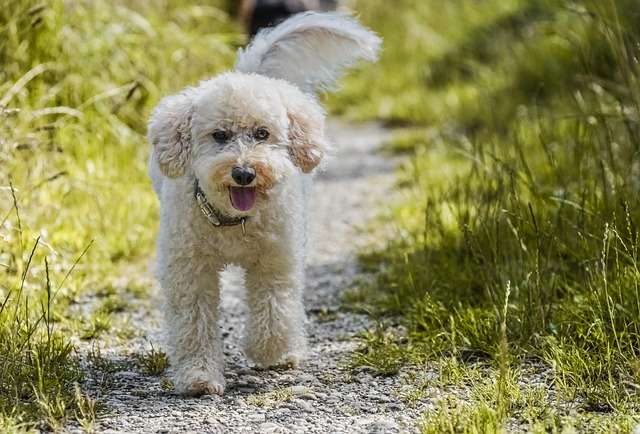








In Albany, NY, understanding the distinction between service animals and emotional support animals under ADA is vital for owners and businesses. Service animals, legally protected, are task-specific and require specialized training. Emotional support animals, though offering comfort, need a prescription and may vary in training methods based on temperament. Local classes and organizations promote responsible ownership and access rights. Training involves positive reinforcement, socialization, and task-based instruction. Landlords must accommodate service animals, fostering an inclusive environment. Key differences in legal status, training, and access requirements emphasize the unique roles of service animals vs. emotional support animals in Albany, NY.
Training a service dog is an invaluable endeavor for individuals relying on these animals as companions and assistants, especially in cities like Albany, NY where service animals and emotional support animals play vital roles. However, the process can be challenging, given the complex behaviors and unique needs of each dog. This article offers practical tips tailored to help trainers and owners navigate this rewarding yet demanding journey. By mastering training techniques, we empower our service animals to thrive, ensuring they can confidently assist their human partners in various settings, promoting independence and enhancing quality of life.
- Understanding Legal Rights: Service Animals vs. Emotional Support Animals in Albany, NY
- Choosing the Right Training Method for Your Dog
- Building a Strong Bond: Basic Obedience and Socialization
- Task-Specific Training: Teaching Specific Skills for Assistance
- Handling Public Interactions and Accommodations
Understanding Legal Rights: Service Animals vs. Emotional Support Animals in Albany, NY

In Albany, NY, understanding the legal distinctions between service animals and emotional support animals is paramount for both owners and businesses. Service animals, as defined by the Americans with Disabilities Act (ADA), are dogs specifically trained to perform tasks that mitigate a person’s disability. Conversely, emotional support animals provide comfort and companionship but don’t necessarily undergo specialized training for specific tasks.
Navigating these differences is crucial in ensuring accessibility with emotional support animals Albany, NY residents enjoy. For instance, while both types of animals have legal protections, service animals are allowed in public spaces like restaurants and stores without restrictions, whereas emotional support animals may require a valid prescription from a healthcare provider to gain entry to certain places. The clarification extends to the scope of training; service animals undergo rigorous training to perform specific jobs, unlike emotional support animals that simply offer comfort.
Seeking guidance from reputable sources is essential. Local service animal training classes near me can provide valuable resources and expertise in differentiating these two types of assistance animals. These classes often offer specialized training for service animals tailored to individual needs while also educating owners about their legal rights regarding emotional support animals. In recent data, the number of emotional support animal requests has risen, underscoring the growing need for clear understanding and responsible ownership practices.
Remember that proper training and documentation are key to ensuring both service animals and emotional support animals can coexist harmoniously in public spaces. By adhering to legal guidelines and leveraging available resources, Albany, NY residents can fully leverage their rights while fostering an inclusive environment for all.
Choosing the Right Training Method for Your Dog

Choosing the right training method for your service dog is a crucial step in ensuring its effectiveness, especially when navigating the unique needs of emotional support animals (ESA) vs. service animals in Albany, NY and beyond. While laws like the Americans with Disabilities Act (ADA) protect the rights of individuals with qualified assistance animals, proper training enhances their ability to navigate public spaces seamlessly. For instance, a study by the University of California found that well-trained service dogs can significantly improve daily living tasks for individuals with disabilities.
In Albany, NY, emotional support animal policies in schools and housing are governed by specific guidelines, reflecting the difference between ESAs and service animals under the law. This context underscores the importance of tailoring training methods to each dog’s temperament and intended role. For example, a service dog assisting with mobility might require advanced obedience training and public access skills, while an ESA providing emotional support may need less formal training, focusing on calming behaviors and basic commands.
Expert trainers recommend positive reinforcement as a proven and humane approach. This method, backed by scientific research, encourages dogs to repeat desired behaviors through rewards rather than punishment. Organizations like the Assistance Animal Rights Coalition in Albany advocate for this approach, promoting a harmonious relationship between humans and their animals. By combining positive reinforcement with specialized training for specific tasks, owners can foster well-behaved and effective service animals or ESAs, ensuring a smoother transition through daily life.
Building a Strong Bond: Basic Obedience and Socialization

Building a strong bond between you and your service animal is fundamental to their effectiveness in various settings, including public transportation in New York. Unlike emotional support animals, which provide comfort but don’t have the same legal protections or training requirements as service animals, Albany residents should understand the distinct roles and rights of these assistance animals. The American with Disabilities Act (ADA) defines service animals as dogs (or sometimes other animals) that are trained to perform specific tasks for individuals with disabilities. This includes guiding the visually impaired or alerting someone with a seizure disorder, among other duties.
Basic obedience training is crucial. Teach your service dog basic commands like sit, stay, come, and down. Consistency is key; use clear, concise commands and reward good behavior with treats and praise. Socialization is equally important. Expose your service animal to diverse environments, people, and animals from an early age to ensure they grow into a well-adjusted companion. Consider enrolling in training classes specifically designed for service animals, where professionals can guide you through exercises tailored to public spaces like buses and trains in New York State. The more comfortable your service dog is in various settings, the easier it will be for them to assist you seamlessly.
The Albany area has several assistance animal rights organizations that offer resources and guidance for owners. These groups often host workshops and training sessions focused on enhancing the bond between humans and their service animals. Leveraging these opportunities can significantly improve your service dog’s abilities and your overall experience as a handler. Additionally, understanding local laws regarding service animals is essential. In New York, businesses must allow access to qualified individuals with service animals, ensuring a supportive environment for both the owner and their assistance animal. Regular training and a strong bond will not only enhance your service dog’s effectiveness but also strengthen your connection with them.
Task-Specific Training: Teaching Specific Skills for Assistance

Training a service dog involves an intricate process of teaching specific tasks tailored to address an individual’s disability. When it comes to task-specific training, every skill must be carefully crafted to ensure the animal becomes an effective assistant in various settings, especially in a bustling urban environment like Albany, NY or even New York City (NYC). Unlike emotional support animals, which provide comfort, service animals are specifically trained to perform tasks that mitigate a handler’s disability.
The NYC emotional support animal registration process and New York State’s definitions of service animals underscore the distinction between these two concepts. Service animals are granted public access rights under the Americans with Disabilities Act (ADA), while emotional support animals enjoy reduced barriers but not the same level of public access. For instance, a service dog might be trained to retrieve items for an individual with limited dexterity or guide a person with visual impairments through crowded streets in NYC. Effective training requires breaking down these tasks into manageable steps and reinforcing positive behaviors consistently. Positive reinforcement techniques, such as rewarding desired actions with treats or praise, have proven highly effective in shaping the animal’s behavior.
Incorporating task-specific training early on is crucial for a service dog’s long-term success. Trainers should focus on teaching one skill at a time, ensuring the dog masters it before moving on to the next. This meticulous approach allows handlers and their dogs to navigate public spaces in Albany or NYC with greater ease and confidence. Moreover, regular practice sessions outside the home environment simulate real-life situations, preparing the animal for unexpected challenges while enhancing its ability to provide assistance. By fostering a strong bond between handler and service dog through this specialized training, individuals with disabilities can lead more independent lives.
Handling Public Interactions and Accommodations

Training service dogs for public interactions and accommodations involves a nuanced approach that differs from preparing them for more traditional tasks. In Albany, NY, where regulations regarding emotional support animals (ESAs) are strictly defined, understanding the distinctions between service animals and ESAs is paramount. The Housing and Community Development Act of New York outlines specific protections for individuals with qualified disabilities who utilize service animals, including limited liability for damage caused by their animals. However, ESAs, while offering significant support, fall under a different legal framework and may not enjoy the same public access rights as service animals.
When training your service dog for public interactions, focus on socialization and desensitization to diverse environments. Expose them to various noise levels, crowds, and settings from an early age to foster confidence and reduce anxiety. This includes practicing in grocery stores, parks, and busy streets—situations that mimic real-world experiences. Remember, the goal is to prepare your dog to handle unexpected stimuli calmly, ensuring a smooth experience during outings. For instance, using positive reinforcement techniques, like treats or praise, when they display composed behavior in novel environments can significantly enhance their training.
Accommodating service animals in housing is another critical aspect. Landlords and property managers in New York are required to allow qualified individuals with disabilities to use service animals as a reasonable accommodation under the Americans with Disabilities Act (ADA). This means ensuring easy access, prohibiting additional fees, and making necessary adjustments to accommodate the animal’s needs. For example, a landlord might need to install a ramp for a dog with mobility issues or waive pet deposits for service animals. Understanding these legal obligations is essential, as it promotes inclusive living environments and empowers individuals reliant on their service animals.
Moreover, differentiating service animals from therapy animals (which provide comfort and emotional support but lack specialized training) is crucial. While ESAs and therapy animals both offer assistance, they serve distinct purposes. Service animals are specifically trained to perform tasks that mitigate an individual’s disability, whereas therapy animals focus on providing reassurance and comfort. This distinction has legal implications, with service animals enjoying broader public access rights under federal law. Clarifying these roles and responsibilities is essential for responsible ESA ownership in New York, ensuring both compliance and effective support for those who depend on them.
In navigating the world of service animals vs. emotional support animals in Albany, NY, this article has equipped readers with a comprehensive understanding of their legal rights and responsibilities. By delving into various training methods, establishing a strong bond through basic obedience and socialization, task-specific training for specific assistance skills, and handling public interactions and accommodations, readers now possess the knowledge to prepare their service dogs effectively. The key takeaways highlight the importance of clear communication, consistent training, and fostering a deep connection with your dog. Next steps include implementing these strategies, seeking professional guidance when needed, and staying informed about local regulations regarding service animals in Albany, NY. This authoritative guide serves as a testament to the transformative power of proper training, ensuring folks can fully leverage the capabilities of their service animals or emotional support animals in daily life.