








In Albany, NY, differentiating between service animals and emotional support animals (ESAs) is crucial for adhering to public access laws and protecting equal rights. Service animals are task-trained to assist with disabilities, while ESAs offer emotional comfort without formal training, enjoying similar public space rights but facing housing limitations. Local resources, training programs, and organizations educate residents on these distinctions, fostering a supportive community where both types of animals coexist harmoniously under state and federal laws.
Emotional support animals (ESAs) have gained significant attention as a source of comfort and therapy for individuals facing mental health challenges. In Albany, NY, the distinction between service animals and ESAs is crucial for navigating accessibility laws. While service animals are specifically trained to perform tasks for their handlers, ESAs provide emotional reassurance. This article delves into the registration process for emotional support animals in Albany, offering a comprehensive guide to ensure compliance with local regulations. By understanding the unique needs of both service animals and emotional support animals, residents can better advocate for their rights and access the appropriate support.
- Understanding Emotional Support Animals in Albany
- Legal Definition & Requirements for Registration
- Service Animals vs. Emotional Support Animals NYC
- Step-by-Step Guide to Registering Your ESA
- Rights and Responsibilities of ESA Owners in Albany, NY
Understanding Emotional Support Animals in Albany
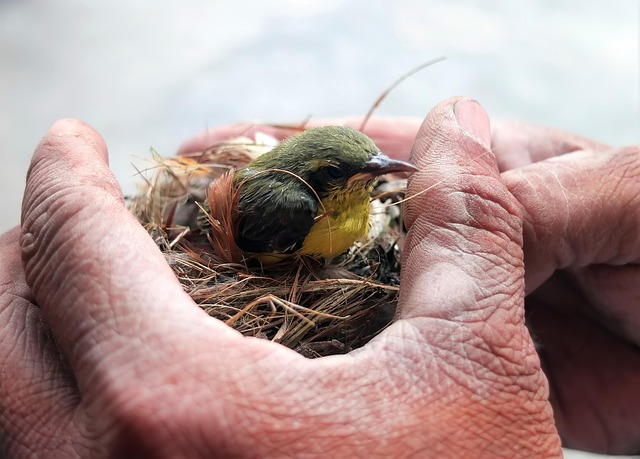
In Albany, NY, understanding the distinction between service animals and emotional support animals (ESAs) is crucial for navigating public access laws and ensuring equal rights for all individuals. While both types of animals provide assistance to their handlers, they serve different purposes under the law. Service animals are specifically trained to perform tasks that mitigate a disability, such as guiding the visually impaired or assisting individuals with seizure disorders. On the other hand, ESAs offer emotional comfort and support but do not require specialized training for specific tasks.
The growing acceptance of ESAs has led to discussions about their public access rights, especially in light of the Emotional Support Animal Public Access Laws in New York. These laws ensure that qualified individuals with ESAs can accompany their handlers in public places, including housing, transportation, and commercial facilities. However, it’s essential to recognize that ESA owners are still responsible for ensuring their animal’s behavior does not cause a disturbance or pose a risk to others. Service animal training programs near Albany offer specialized instruction to help both service animals and their handlers meet the legal standards set by the Americans with Disabilities Act (ADA).
In Albany, assistance animal rights organizations play a vital role in advocating for the well-being and equal treatment of both service and emotional support animals. These groups provide resources, education, and support to owners while also working with local authorities and businesses to foster a more inclusive environment. For example, the New York State Association for Assistance Animal Owners (NYS AAO) offers training workshops, legal assistance, and networking opportunities to help individuals understand their rights and responsibilities regarding service and emotional support animals under both state and federal laws. By staying informed about public access laws, participating in training programs, and engaging with advocacy organizations, residents of Albany can ensure a harmonious coexistence of service and emotional support animals within the community.
Legal Definition & Requirements for Registration

In Albany, NY, understanding the legal distinction between service animals and emotional support animals (ESAs) is crucial for individuals seeking assistance with their mental health. The Americans with Disabilities Act (ADA) and the Fair Housing Act (FHA) offer protections for both types of animals, but their roles and qualifications differ significantly. While service animals are specifically trained to perform tasks or do work for an individual with a disability, ESAs provide comfort and emotional support without undergoing such formal training.
The ESA movement has gained momentum over the years, partly due to increased awareness of mental health issues. In New York State, including Albany, the definition of an ESA is broad and includes dogs, cats, horses, and even birds. To qualify as an ESA, an animal must be prescribed by a licensed healthcare professional for an individual’s emotional or psychological needs related to a disability or mental health condition. This prescription serves as legal documentation that justifies the need for the ESA in public spaces and housing under the FHA. Unlike service animals, ESAs do not require specialized training; their primary role is to offer companionship and emotional stability.
A key distinction between service animals and ESAs lies in their interaction with public accommodations and housing regulations. Service animals are allowed in all areas of public access where a person with a disability is permitted, including restaurants, stores, and transportation. In contrast, ESAs enjoy similar rights in public spaces but are subject to certain limitations regarding housing. According to the ESA Housing Act provisions, landlords must allow ESAs in housing units, but they can request reasonable documentation or proof of training and can impose certain restrictions based on health and safety considerations.
Practical advice for Albany residents navigating this process involves consulting with healthcare professionals who can provide official letters of recommendation for ESAs. These letters should include details about the individual’s disability, the emotional support provided by the animal, and how the ESA assists in managing symptoms. Additionally, it is beneficial to familiarize oneself with local laws and regulations regarding ESAs to ensure compliance and avoid misunderstandings with landlords or public business owners.
Service Animals vs. Emotional Support Animals NYC

In Albany, NY, navigating the distinction between service animals and emotional support animals is crucial for residents seeking appropriate assistance. While both categories offer vital support, they operate under different legal frameworks and requirements. Service animals, as defined by the Americans with Disabilities Act (ADA), are specifically trained to mitigate a person’s disability, such as guiding the visually impaired or assisting those with seizure disorders. These animals undergo rigorous training to perform tasks directly related to an individual’s disability, making them highly specialized tools for daily life. In contrast, emotional support animals (ESAs) provide comfort and companionship to individuals suffering from mental health conditions. Unlike service dogs, ESAs do not require specific task-oriented training; instead, their presence offers a therapeutic benefit to their owners.
The New York City Service Animal Registry plays a pivotal role in formalizing the process for both types of animals. Registering a service animal or ESA ensures that individuals have documentation supporting their companion’s status, which can be crucial when accessing public spaces and accommodations. However, it’s essential to understand the nuances: trained service dogs vs. emotional support animals Albany, NY residents encounter may vary. While some animals can serve in both capacities, their legal protections differ significantly. For instance, a dog helping a person with anxiety may qualify as an ESA under the Fair Housing Act (FHA), allowing them to live with their companion without breed or size restrictions commonly associated with service dogs.
To ensure compliance and legitimate use, it’s crucial to consult with professionals who specialize in animal training and legal expertise related to service animals vs. emotional support animals. Local resources and organizations dedicated to this field can provide guidance tailored to New York City’s specific laws. By understanding the difference and seeking proper registration, residents can fully leverage the benefits of these animals while adhering to legal requirements, fostering a supportive environment for both service animals and ESAs alike.
Step-by-Step Guide to Registering Your ESA

In Albany, NY, understanding the distinction between service animals and emotional support animals (ESAs) is crucial for navigating public spaces and transportation. While both types of animals offer vital assistance, their roles and legal protections differ significantly. Service animals are specifically trained to perform tasks or do work for an individual with a disability, such as guiding the blind or retrieving items for the physically disabled. In contrast, ESAs provide emotional comfort and support but are not required to perform specific tasks.
Registering your ESA involves several steps designed to ensure compliance with local laws and to establish legitimate need. Here’s a step-by-step guide tailored to Albany, NY:
1. Assess Eligibility: Determine if you truly require an ESA for emotional support. Unlike service animals, ESAs are not granted public access everywhere. They must be prescribed by a licensed mental health professional (e.g., therapist, psychiatrist) who certifies that the individual has a disability and that the animal provides necessary emotional support.
2. Obtain Documentation: Gather relevant documents from your healthcare provider. This includes a letter stating that you have a disability as defined by the Americans with Disabilities Act (ADA) and that the ESA is necessary for your well-being. The letter should be on official letterhead and include the provider’s license information.
3. Choose a Qualified Animal: Ensure your animal has the appropriate temperament and training for public settings. Unlike trained service dogs, ESAs do not require specialized training. However, they must be well-behaved and not cause disturbances in public spaces.
4. Register with Local Authorities: While Albany does not have a specific ESA registration process, it’s advisable to keep records of your documentation on hand. You may need to present them upon request, especially when traveling or accessing public transportation. For instance, service animals are allowed on most forms of public transportation in NY, but ESAs generally are not. Understanding these differences is key to smooth travel experiences.
5. Educate Others: Inform friends, family, and neighbors about your ESA to foster understanding and minimize potential issues. Service animals vs therapy animals comparison shows that ESAs do not undergo the same rigorous training as service animals, making open communication crucial.
By following these steps, you can navigate the legal landscape of emotional support animal registration in Albany with confidence, ensuring both compliance and access to the comfort your ESA provides.
Rights and Responsibilities of ESA Owners in Albany, NY

In Albany, NY, understanding the rights and responsibilities associated with Emotional Support Animals (ESAs) is crucial for both owners and those encountering them in public spaces. The distinction between service animals and ESAs is an important legal and ethical consideration. While service animals, including psychiatric service dogs, are explicitly trained to perform specific tasks aiding individuals with disabilities, ESAs provide emotional comfort and support without such specialized training.
In New York State, the Psychiatric Service Dog Benefits Act recognizes the significant role these assistance animals can play in improving mental health. This legislation ensures that individuals with legitimate mental health conditions can have their psychiatric service dogs accompany them in public places, including housing and transportation, which is a critical aspect of navigating urban environments like Albany. To take advantage of these rights, owners must obtain a service animal registration through the appropriate channels, such as completing the Service Animal Registry Application provided by the state.
Responsible ESA ownership involves adhering to strict guidelines. Owners are required to ensure their ESAs are well-behaved and not causing a disturbance in public spaces. Training is often recommended, even though it’s not mandatory for ESAs, to help them interact appropriately with others. Several service dog training facilities in Albany, NY, offer specialized programs tailored to preparing dogs for life as emotional support animals. These facilities contribute to fostering a responsible ESA community by promoting the positive impact these animals can have while mitigating potential challenges.
It’s essential for residents and visitors alike to be informed about service animals vs. emotional support animals in Albany, NY, to ensure equal access and understanding. By familiarizing themselves with the legal protections and responsibilities, individuals can create an inclusive environment, benefiting both those who rely on these assistance animals and the broader community.
In understanding emotional support animals (ESAs) in Albany, NY, and contrasting them with service animals, readers now possess a comprehensive grasp of the legal definitions and requirements for registration. The article has demystified the process, offering a clear step-by-step guide to registering an ESA, as well as delineating the rights and responsibilities inherent to ownership.
Key takeaways include the distinct legal statuses and criteria for service animals vs. ESAs in Albany, emphasizing the importance of proper classification. This knowledge empowers individuals to ensure they receive appropriate accommodations and navigate public spaces with their companion animals effectively.
Moving forward, readers are equipped to make informed decisions regarding ESA registration, fostering a better understanding of their rights and responsibilities within the community. This authoritative article serves as a valuable resource, enabling folks in Albany, NY, to harness the support of either service animals or emotional support animals according to their unique needs.