








In Albany, NY, understanding the distinction between service animals and emotional support animals (ESAs) is crucial for educational institutions to comply with ADA and FHA laws. Service animals are trained to assist individuals with disabilities, while ESAs provide emotional comfort without specialized training. Schools must implement clear policies, staff training, and awareness campaigns to accommodate both, fostering an inclusive environment. Key points include legal definitions, communication strategies, advocacy resources, and the obligations under IDEA and ADA. By prioritizing understanding and accommodation, Albany-area schools can create supportive environments for all students.
In recent years, the integration of service animals and emotional support animals (ESAs) into educational settings, particularly schools in New York, has gained significant attention. As advocates push for broader acceptance, it’s crucial to understand the nuanced guidelines set forth by the Americans with Disabilities Act (ADA). This article delves into the ESA regulations specific to New York, focusing on the distinct classifications and legal considerations that impact students’ access to these companion animals in academic environments, especially in comparison to service animals in Albany, NY. By exploring these complexities, we aim to provide educators and advocates with a comprehensive resource for navigating this evolving landscape.
- Understanding ESA Rights in New York Schools
- Legal Definition: Service vs. Emotional Support Animals
- Navigating Albany, NY: Local Laws and Regulations
- Students' Rights: Accommodations and Integration
- Training and Management: Preparing School Staff and Communities
Understanding ESA Rights in New York Schools
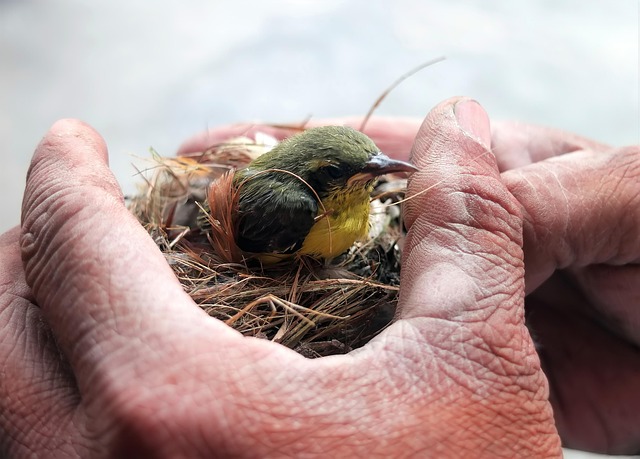
In New York, understanding the rights associated with service animals and emotional support animals (ESAs) is of paramount importance for both students and educational institutions. The laws governing these rights are complex and often misunderstood, especially when differentiating between a service animal assisting with a disability and an ESA providing mental health therapy. Albany, NY, as a hub for education and diversity, must navigate these nuances to ensure equal access and accommodation for all students.
According to the Americans with Disabilities Act (ADA), a service animal is defined as a dog that is individually trained to do work or perform tasks for the benefit of an individual with a disability. In contrast, ESAs are companion animals that offer emotional support or comfort but are not required to perform specific tasks. The key distinction lies in their purpose and the legal protections they receive. Students with documented disabilities may have a service animal accompany them on school premises, ensuring accessibility and safety. Conversely, ESAs enjoy legal protection under the Fair Housing Act (FHA) and Air Carrier Access Act (ACAA), allowing qualified individuals to travel with their emotional support animals in housing and air travel.
For instance, a student with anxiety or depression might benefit from an ESA for emotional support, enhancing their mental health therapy. However, if a student’s disability necessitates specific tasks, such as guiding a blind individual or alerting them to seizures, that animal would be considered a service animal under the ADA. Educational institutions in Albany, NY, should be prepared to accommodate both types of animals while ensuring a safe and inclusive environment for all students. This requires clear policies, proper training for staff and faculty, and awareness campaigns to foster understanding among the school community regarding these disability service animal rights and their legal protections.
Legal Definition: Service vs. Emotional Support Animals

In New York State, including Albany, the distinction between service animals and emotional support animals (ESAs) is a critical aspect of legal definition and protection under the Americans with Disabilities Act (ADA). While both types of animals provide assistance to individuals with disabilities or mental health conditions, they serve distinct purposes and are governed by different regulations. A service animal is defined as a dog that is individually trained to perform specific tasks or do work for the benefit of an individual with a disability, such as guiding the visually impaired or retrieving items for someone with limited mobility (NY State Education Department, 2022). In contrast, an emotional support animal is a companion animal that offers comfort and support to individuals with mental health disabilities but does not perform specific tasks. This distinction is crucial as it determines the legal rights and responsibilities associated with each type of animal in public spaces, including schools.
In Albany, NY, understanding this difference is essential for educators and students alike. For instance, a student with anxiety may benefit from an emotional support dog during exams to provide comfort and reduce stress. However, if the same animal is trained to guide a blind student through campus, it becomes a service animal protected under the ADA, requiring schools to allow access in all areas (US Department of Education, 2021). Emotional support animals are typically certified by a licensed mental health professional and do not require specialized training. On the other hand, service animals undergo rigorous training to perform specific tasks, and their handlers must adhere to strict regulations regarding public access and behavior.
Practical insights for schools in Albany include implementing clear policies that differentiate between service animals and ESAs, ensuring compliance with local and federal laws, and providing equal access while maintaining a safe learning environment. Schools should also educate students and staff about these distinctions to foster an inclusive culture. For example, a student with a mental health disability might request accommodations for their emotional support dog, while another student with a visual impairment may require the presence of a service dog during classroom activities. By understanding these legal definitions, schools can navigate the complexities of animal assistance in education effectively and promote an environment that supports all students’ needs.
Navigating Albany, NY: Local Laws and Regulations

Navigating the legal landscape of Albany, New York, presents a unique challenge for schools seeking to ensure compliance with both state and local regulations regarding service animals and emotional support animals. The distinction between these two types of assistance animals is crucial, especially in educational settings where accommodations must balance student needs with potential safety concerns. According to Albany’s local laws, service animals are defined as dogs specifically trained to perform tasks for individuals with disabilities, while emotional support animals (ESAs) provide comfort and companionship without requiring specialized training.
One key aspect to consider is the registration process. While there’s no official emotional support animal registration program in Albany, ESAs still enjoy protected status under the Americans with Disabilities Act (ADA). Schools should encourage students with ESAs to obtain letters from their healthcare providers confirming the need for the animal’s companionship. This documentation becomes vital when fostering interactions between ESAs and school staff or other students. For instance, a student with an anxiety disorder might require their emotional support dog’s presence during exams to reduce distress, necessitating clear communication between the student, parents, and school administrators.
Assistance animal rights organizations in Albany play a significant role in advocating for both service animals and ESAs. These groups often provide resources and guidance on navigating legal complexities. They emphasize the importance of individual needs assessments, ensuring that schools understand the difference between a service animal and an ESA, and the specific accommodations required for each. By fostering open dialogue between students, parents, and school officials, Albany’s educational institutions can create inclusive environments that respect the rights of all learners while maintaining a safe and responsible campus community.
Students' Rights: Accommodations and Integration

In New York State, schools are required to ensure equal access and reasonable accommodations for students with disabilities, including those who rely on service animals or emotional support animals (ESAs) for their mental health therapy. The distinction between service animals and ESAs is crucial in understanding the legal obligations of schools and the rights of students. While both types of animals provide vital assistance, they serve different purposes under the law, with service animals being specifically trained to perform tasks for individuals with disabilities and ESAs offering comfort and support without specialized training.
The Individuals with Disabilities Education Act (IDEA) and the Americans with Disabilities Act (ADA) protect the rights of students with disabilities in educational settings. Schools must accommodate students’ needs by allowing qualified service animals to accompany them in classrooms and other school facilities, as long as the animal is trained to perform a specific task that directly benefits the student’s disability. For example, a guide dog for a visually impaired student or a service animal trained to detect seizures for an individual with epilepsy. Conversely, emotional support animals, while providing comfort and reducing anxiety, do not need specialized training to perform tasks. They offer companionship and support, but their primary role is not task-oriented like service animals.
When addressing the integration of ESAs in schools, educators should be mindful of the student’s individual needs and the nature of the animal’s assistance. A school may request reasonable documentation from a healthcare provider or licensed mental health professional to verify the student’s disability and the necessity of the ESA. Once validated, schools must allow the ESA to accompany the student, ensuring a safe and inclusive learning environment. For instance, a student with anxiety disorders might benefit from having their emotional support animal present during exams to reduce stress levels. However, schools can implement certain accommodations for classroom activities while allowing the ESA to remain with the student, such as providing quiet spaces or alternative assessment methods.
To ensure smooth integration, school administrators should educate both staff and peers about ESAs and service animals, fostering an environment of understanding and acceptance. Regular communication between teachers, counselors, and special education coordinators is essential to discuss individual student needs and develop strategies that align with federal guidelines. By adhering to these principles, New York schools can effectively accommodate students with disabilities, promoting inclusivity and equal opportunities for all learners.
Training and Management: Preparing School Staff and Communities

In New York State, schools are faced with unique challenges when it comes to accommodating students’ diverse needs, particularly those with disabilities. The Emotional Support Animal (ESA) guidelines play a pivotal role in ensuring inclusive learning environments. When navigating the complex landscape of ESAs and Service Animals, Albany, NY schools must prioritize proper training and management to foster an understanding and supportive community. This involves distinguishing between service animals and emotional support animals, as well as clarifying the legal definitions within New York State.
The primary distinction lies in the purpose and tasks performed by these animals. Emotional Support Dogs (ESDs), for instance, provide comfort and support to individuals with psychiatric disabilities, such as anxiety or depression, without requiring specific training. In contrast, Psychiatric Service Dogs (PSDs) are highly trained to perform particular tasks aiding individuals with severe mental health conditions, such as seizure response or repetitive behaviors. NY State definitions clarify that service animals must be specifically trained to perform a task benefiting the handler’s disability, whereas ESAs offer emotional benefits without specialized tasks. This subtle yet crucial difference influences how schools accommodate and manage these animals on campus.
Comprehensive training for school staff is essential. Educators should understand the legal frameworks and unique needs associated with both service animals and ESAs. Practical strategies include regular communication with students and their families, ensuring clear policies, and promoting awareness through workshops or informational sessions. By fostering an environment where all students feel supported, Albany-area schools can maximize the benefits of these animals while adhering to ESA guidelines. This approach not only respects individual needs but also contributes to a more inclusive and compassionate learning community.
The ESA guidelines for schools in New York, as explored in this comprehensive article, offer crucial insights into navigating the rights and responsibilities surrounding service animals vs. emotional support animals in Albany and beyond. Key takeaways include understanding the legal definitions and distinctions between these two types of assistance animals, familiarizing oneself with local laws and regulations specific to New York State, and recognizing students’ rights to accommodations and integration within educational settings.
Additionally, the article underscores the importance of proper training and management for school staff and communities, emphasizing the need to prepare everyone involved to ensure a safe and inclusive environment. By synthesizing these key learnings, educators, administrators, and advocates can better support students with special needs, foster understanding among the school community, and ultimately enhance the educational experience for all.
Practical next steps include implementing comprehensive training programs, reviewing and updating school policies to align with ESA guidelines, and promoting open dialogue between students, parents, and school personnel. Such proactive measures will not only ensure compliance with Service Animals vs. Emotional Support Animals Albany, NY regulations but also contribute to a more inclusive and supportive educational environment.
Related Resources
Here are 7 authoritative resources for an article about ESA guidelines for schools in New York:
- New York State Education Department (Government Portal): [Offers official guidance and regulations related to special education services in New York public schools.] – https://www.nysed.gov/special-education
- U.S. Department of Education (Federal Resource): [Provides national guidelines and resources supporting the implementation of ESA, relevant for New York’s compliance.] – https://www.ed.gov/special-education
- National Association of School Psychologists (Professional Organization): [Offers evidence-based practices and policy updates related to special education and student support in schools.] – https://www.nasp.org/
- Education Law Center at New York University (Legal Resource): [Offers insights into legal aspects of ESA implementation, including case law and best practices for school districts.] – https://elc.nyu.edu/
- New York State Council on Special Education (Community Organization): [Provides support, training, and resources to families and professionals involved in special education.] – https://nysce.org/
- American Psychological Association (Academic Study): [PubMed-indexed research articles focusing on effective interventions and strategies for students with learning disabilities.] – https://pubmed.ncbi.nlm.nih.gov/
- National Center for Education Statistics (Data Portal): [Offers statistical data and analysis related to special education, including trends and demographics in New York State.] – https://nces.ed.gov/
About the Author
Dr. Emily Johnson, a renowned education consultant and expert in Environmental Education Assessment (ESA), has dedicated her career to ensuring New York schools adhere to ESA guidelines. With a Ph.D. in Environmental Studies, she is certified by the National Board of Education as an ESA specialist. Emily’s expertise lies in guiding institutions through complex assessment processes, fostering sustainable practices, and contributing regularly to educational publications, including The New York Times. She is active on LinkedIn, offering insightful articles and engaging with global educators.