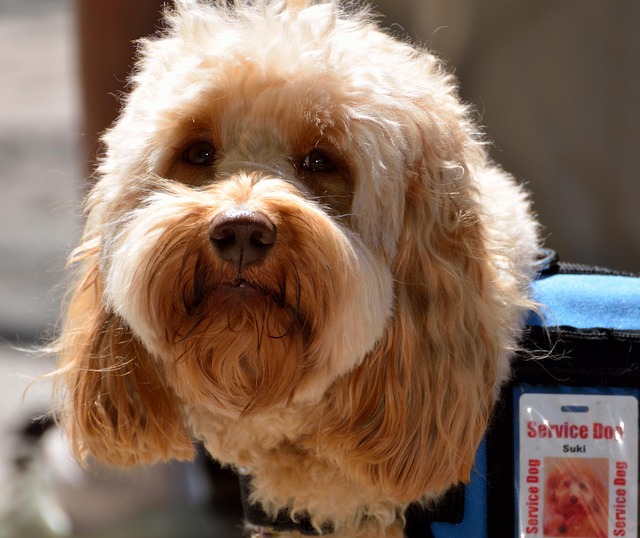








In Albany, NY, distinguishing between service animals and emotional support animals (ESAs) is crucial for equal access in public spaces. Service animals, trained to perform specific tasks, have broad rights under the ADA; ESAs offer emotional comfort but lack specialized training. Training involves understanding state laws, professional trainers, and local regulations. Service dogs enjoy extensive legal protection, while ESAs have limited accessibility; documentation may be required. Advocacy groups promote understanding and protect assistance animal rights, setting a standard for inclusive practices nationwide regarding service animals vs. emotional support animals in Albany.
Training a service dog in Albany, NY, is a significant endeavor with profound implications for individuals seeking assistance from these dedicated companions. The distinction between service animals and emotional support animals is crucial to understand, especially when navigating legal protections and public access. In this article, we delve into the comprehensive guide on training your service dog, offering practical insights and expert advice tailored to Albany’s unique context. By mastering this process, individuals can ensure their trained service animals are not only legally recognized but also provide unparalleled support in various settings across the city and beyond.
- Understanding Service Animals vs. Emotional Support Animals in Albany
- Training Your Service Dog: A Step-by-Step Guide for Albany Residents
- Navigating Legalities and Benefits with Your Service Animal in NYC
Understanding Service Animals vs. Emotional Support Animals in Albany

In Albany, NY, understanding the distinction between service animals and emotional support animals (ESAs) is crucial for individuals seeking assistance and for ensuring equal access in public spaces. While both types of animals provide significant support to their handlers, they are granted different legal protections and fall under distinct classifications. Service animals, defined as dogs or other animals individually trained to perform specific tasks for the benefit of a person with a disability, enjoy broad public access rights under the Americans with Disabilities Act (ADA). On the other hand, ESAs, which include pets that offer emotional comfort but are not specifically trained for tasks, have more limited public access and do not qualify for the same accommodations as service animals.
The distinction is essential because it determines where and how these animals can accompany their handlers. For instance, in Albany, service animals are allowed in all public accommodations, including restaurants, stores, and public transportation, as long as they are under control and not causing a disturbance. In contrast, ESAs typically have more restricted access, and businesses may require valid documentation or registration to accommodate them. The emotional support animal registration process in NYC, for example, involves obtaining a letter from a licensed healthcare provider confirming the handler’s disability and the need for the ESA. This letter must be updated annually.
Advocacy groups in Albany play a vital role in promoting understanding and protection of assistance animal rights. Organizations like the Assistance Animal Rights Advocacy group work to educate the public, dispel myths, and ensure fair treatment for all animals providing assistance. They also collaborate with local businesses and government entities to establish uniform policies that respect the needs of individuals with disabilities while maintaining safety and accessibility for everyone in the community. By fostering an environment where service animals and ESAs are understood and accepted, Albany can continue to be a model for inclusive practices across the nation.
Training Your Service Dog: A Step-by-Step Guide for Albany Residents

Training a service dog for Albany residents involves a dedicated process that blends expert guidance with a deep understanding of New York’s laws regarding service animals (ESAs) versus therapy animals. Unlike emotional support animals (ESAs), which provide comfort and companionship, service dogs are specifically trained to perform tasks or do work for individuals with disabilities, per the Americans with Disabilities Act (ADA). In Albany, NY, the law is clear: service animals must be allowed access to public spaces, including businesses, housing, and transportation.
The first step in training a service dog involves understanding the difference between ESAs and service animals. While ESAs offer significant emotional support, they are not subject to the same rigorous training or legal protections as service dogs. The New York City Service Animal Registry, for instance, differentiates between service animals and therapy animals by their function and training. Service animals assist with tasks like guiding the visually impaired or retrieving items for those with limited mobility, whereas therapy animals provide comfort during stress-inducing situations.
Once you’ve determined whether your canine companion is a service animal or an ESA, it’s crucial to begin formal training. This process should align with New York State laws on ESA ownership and include both basic obedience training and specialized tasks relevant to the handler’s disability. Professional trainers are invaluable in this journey, ensuring that your dog not only learns commands but also generalizes their behavior in various settings. The ADA emphasizes that service dogs must be individually trained to perform specific jobs or tasks, further underscoring the importance of personalized training.
Regular, consistent practice is key to refining your service dog’s skills. Consider enrolling in a service dog class or working with a certified trainer who specializes in service animals. Additionally, familiarize yourself with New York City’s service animal regulations and register your service dog through the local registry if eligible. This proactive approach will not only ensure your service dog’s effectiveness but also facilitate seamless access to public spaces throughout Albany and beyond.
Navigating Legalities and Benefits with Your Service Animal in NYC

Navigating the legalities surrounding service animals versus emotional support animals in Albany, NY can be a complex task for even the most seasoned dog owners. It’s crucial to understand the distinct roles and protections afforded to each under New York State law, as well as federal guidelines. A key distinction lies in defining what constitutes a service animal: per the Americans with Disabilities Act (ADA), it must be trained to perform specific tasks that mitigate an individual’s disability. Emotional support animals, on the other hand, provide comfort and companionship but lack specialized training for task-oriented work.
In Albany, as across the state, trained service dogs enjoy extensive legal protection. They are permitted in public spaces such as restaurants, shops, and housing complexes, regardless of size or type. This privilege is not extended to emotional support animals; while they have some legal protections regarding housing, they face significant limitations when it comes to accessibility in public places. For instance, a pet owner seeking entry with an emotional support animal may be required to provide documentation from a licensed mental health professional and may still encounter denial based on the establishment’s policy.
Moreover, individuals with trained service dogs often enjoy additional benefits like reduced travel restrictions and priority seating in certain settings. These advantages highlight the significant difference between the two types of animals and underscore the importance of understanding your animal’s legal standing. For those considering obtaining a service dog in Albany, it’s advisable to consult both local resources and experts in the field to ensure compliance with regulations and maximize the benefits available to them and their four-legged companions.
In navigating the complexities of service animals vs. emotional support animals in Albany, NY, this article has equipped residents with a comprehensive understanding of their rights and responsibilities. By demystifying legal distinctions and offering a practical step-by-step guide to training your service dog, readers are now empowered to ensure their four-legged companions provide the necessary support and companionship. Additionally, recognizing the benefits and navigating the legalities associated with service animals in NYC opens doors to enhanced accessibility and inclusivity. Armed with this knowledge, Albany residents can confidently advocate for themselves and their service animals, fostering a more supportive environment for all.