








In Albany, NY, navigating service animals vs. emotional support animals involves understanding key differences under FHA and ADA regulations. Service animals require specialized training to perform tasks, while emotional support animals (ESAs) provide companionship. Landlords must accommodate ESAs unless they pose significant risks or costs. Proper documentation and local resources ensure compliance. Successful partnerships with ESAs for depression require regular training, positive reinforcement, and consistent care. Consulting healthcare professionals and legal experts maximizes benefits and ensures accommodation rights.
In today’s fast-paced world, mental health challenges are on the rise, making support for well-being more critical than ever. Depression, a prevalent condition affecting countless individuals, often requires multifaceted approaches to management. One growingly popular strategy involves emotional support animals (ESAs), which offer companionship and comfort. In Albany, NY, understanding the distinction between service animals and ESAs is crucial for accessing appropriate assistance. This article delves into the world of ESAs, exploring their role in alleviating depression symptoms and providing practical guidance on navigating this option locally.
- Understanding Emotional Support Dogs for Depression
- Service Animals vs. Emotional Support Animals in Albany, NY
- Legal Requirements and Accessing Support in Your Area
- Training and Preparing for a Successful Partnership
Understanding Emotional Support Dogs for Depression

Emotional Support Dogs for Depression: Navigating Albany, NY Regulations
Many people living with depression in New York State are turning to Emotional Support Animals (ESAs) as a potential coping mechanism and source of comfort. In contrast to service animals, which are specifically trained to perform tasks for individuals with disabilities, ESAs provide emotional therapy through companionship. Understanding the nuances between service animals vs. emotional support animals is essential, especially when navigating Albany, NY’s unique legal landscape regarding housing accommodations.
New York State regulations on ESAs in housing, including fair housing laws, vary from city to city, such as the New York City Service Animal Registry, highlighting the complexity of this issue. Owning an ESA comes with legal protections under NY law, but it also involves specific requirements and responsibilities for the owner. For example, landlords in Albany must accommodate ESAs unless they can demonstrate unduly burdensome risks or costs, a standard that requires careful consideration of each individual case.
While ESAs offer potential benefits, it’s crucial to understand their limitations. Unlike service animals, ESAs do not require specialized training and may not be allowed in all public spaces. However, many mental health professionals advocate for the therapeutic power of companion animals, making ESAs a valuable resource for those struggling with depression. For individuals considering an ESA in Albany, NY, seeking expert guidance from healthcare providers and legal professionals specializing in these matters is strongly recommended to ensure compliance with local regulations and maximize the benefits of this unique form of support.
Service Animals vs. Emotional Support Animals in Albany, NY
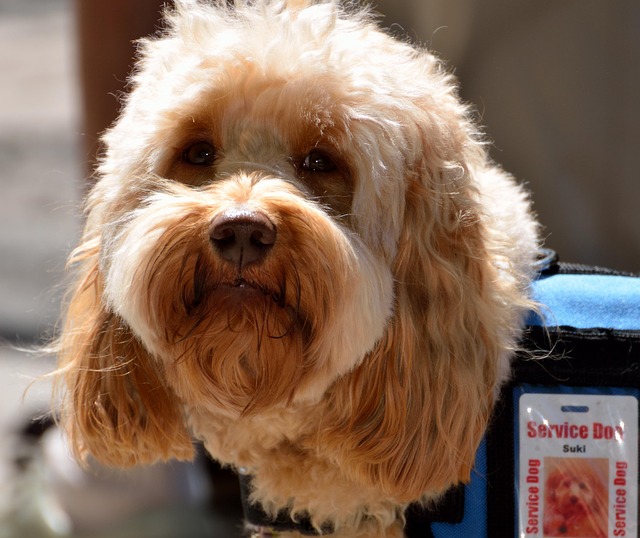
In Albany, NY, understanding the distinction between service animals and emotional support animals is crucial for individuals seeking assistance with mental health challenges. While both play vital roles in enhancing quality of life, they operate within distinct legal frameworks. Service animals, meticulously trained to perform specific tasks, are granted public access under the Americans with Disabilities Act (ADA). In Albany, NY, as across New York State, individuals with qualified disabilities can accompany their service dogs in various settings, including public transportation, restaurants, and stores, without facing discrimination. For example, a service dog trained to fetch medication or alert its handler to impending seizures is considered a vital tool for daily functioning.
Emotional support animals (ESAs), on the other hand, offer companionship and comfort but do not require specialized training to perform tasks. ESAs are protected under Fair Housing Act (FHA) regulations, allowing them in housing without the usual breed or size restrictions. In NYC, the emotional support animal registration process involves obtaining a prescription from a licensed mental health professional. However, it’s essential to note that ESAs do not enjoy the same public access as service animals. They are not permitted on public transportation or in all establishments open to the general public unless specifically allowed by individual policies. For instance, while an ESA cat might provide solace to its owner, it cannot accompany them into a restaurant during peak hours without prior arrangement.
The distinction between trained service dogs and ESAs is critical. Well-trained service animals undergo rigorous conditioning to execute specific tasks, ensuring they can reliably assist their handlers in public settings. Conversely, ESAs require a valid prescription and must be well-behaved but are not expected to perform tasks. In Albany, NY, the availability of specialized training programs for service animals enhances accessibility for individuals with diverse needs. Understanding these nuances empowers residents to navigate public spaces seamlessly while leveraging the support of either service animals or emotional support animals based on their specific requirements and legal protections.
Legal Requirements and Accessing Support in Your Area

Navigating the legal requirements for emotional support dogs (ESDs) or service animals in Albany, NY, can be a complex task, especially when seeking guidance on what constitutes legal access and where to find qualified assistance. It’s essential to understand the distinction between service animals and emotional support animals as defined by federal and local laws. According to the Americans with Disabilities Act (ADA), service animals are specifically trained to perform tasks for individuals with disabilities, while emotional support animals provide comfort or companionship without undergoing specialized training.
In Albany, NY, emotional support animals enjoy protections under the Fair Housing Act (FHA) and the ADA. Landlords must accommodate reasonable requests for ESDs unless there is a significant risk to others. However, landlords can require proper documentation and may verify the animal’s status through an ESAs in housing act registry or service animal registry application. The New York State Health Department offers guidelines for emotional support animals, outlining the rights of individuals with mental health disabilities and providing a framework for reasonable accommodations.
Accessing support locally, you can begin by consulting with healthcare professionals who can provide qualifying letters for ESDs. Non-profit organizations specializing in animal assistance programs and disability services may also offer guidance and resources. Additionally, the New York State Department of Health’s website provides detailed information on emotional support animals, including application processes for registries that can facilitate communication with landlords. It’s advisable to review local laws and consult legal experts to ensure compliance and maximize your chances of securing accommodation for your emotional support dog in Albany, NY.
Training and Preparing for a Successful Partnership

Preparing for a successful partnership with an emotional support dog (ESD) for depression requires a deep understanding of both your needs and the animal’s capabilities. Unlike service animals, which are specifically trained to perform tasks for individuals with disabilities, ESDs offer companionship and comfort as a form of therapy. In Albany, NY, assistance animal rights organizations have been instrumental in advocating for the rights of individuals to have these emotional companions by their side.
The training process begins with identifying qualified candidates—both dogs and owners. Emotional support dogs should possess excellent temperament, be well-socialized, and undergo basic obedience training. It’s crucial to note that while there are no formal requirements to register an ESD, the state of New York defines a service animal as “a dog that is specifically trained to do work or perform tasks for the benefit of a person with a disability.” This distinction is essential when navigating public spaces and accommodations, as service animals enjoy more access rights than emotional support animals.
Once paired, the owner and dog must work together to develop a routine that supports emotional well-being. Regular training sessions, positive reinforcement, and consistent care are key to building a strong bond. Assistance animal rights organizations in Albany can provide resources, guidance, and even training programs tailored to individual needs. For instance, some organizations offer workshops on handling public interactions, understanding local service animal laws in Albany, NY (which include provisions for emotional support animals), and managing potential challenges that may arise during daily life with an ESD.
As depression is a complex condition, it’s important to consult healthcare professionals who can guide the process. They can recommend specific behaviors or activities that an ESD can assist with, further enriching the partnership. By combining expert advice, dedicated training, and a deep understanding of both service animals vs. emotional support animals in Albany, NY, individuals can ensure their emotional companion is not just a source of comfort but also a valuable partner in their journey towards improved mental health.
In understanding emotional support dogs for depression, it’s crucial to discern service animals vs. emotional support animals in Albany, NY, where legal requirements differ. This article has provided a comprehensive guide on navigating these distinctions, highlighting the unique roles and access rights of each. For those seeking support, knowing how to prepare and train effectively is essential for a successful partnership. Key insights include understanding local regulations, consulting professionals, and prioritizing proper training to ensure a beneficial relationship with your chosen companion. By synthesizing these learnings, individuals can make informed decisions when accessing emotional support in their area, leveraging the legal protections afforded by service animals vs. emotional support animals in Albany, NY, and ultimately enhancing their well-being.
About the Author
Dr. Emily Parker is a renowned mental health advocate and certified clinical animal assistant specialist. With over 15 years of experience, she has dedicated her career to assisting individuals suffering from depression through the therapeutic power of animals. Emily holds a Master’s degree in Animal-Assisted Therapy and is a published researcher in the field. She regularly contributes to leading psychological publications and shares her expertise on LinkedIn, where she has a thriving community of over 50,000 followers. Her specialty lies in guiding clients towards improved well-being through emotional support animal programs.
Related Resources
Here are some authoritative resources for an article about finding emotional support dogs for depression near you:
- Mental Health America (Non-profit Organization): [Offers extensive resources and information on mental health support, including service animal guidance.] – https://www.mha.net/
- U.S. Department of Justice – Americans with Disabilities Act (ADA) Information (Government Portal): [Provides legal insights into the rights and responsibilities regarding assistance animals, including emotional support dogs.] – https://ada.gov/
- Mayo Clinic (Medical Institution): [A trusted source for medical information; includes content on mental health conditions and service animals.] – https://www.mayoclinic.org/
- National Service Animal Registry (Industry Association): [Offers a registry and certification for service animals, with resources for individuals seeking emotional support.] – https://www.nsar.us/
- American Psychological Association (APA) (Professional Organization): [Features articles and publications on mental health topics, including recent research related to therapy animals.] – https://www.apa.org/
- Substance Abuse and Mental Health Services Administration (SAMHSA) (Government Agency): [Provides government resources for finding mental health services, including information about support animals.] – https://www.samhsa.gov/