








Universities in Albany, NY face a challenge distinguishing service animals from emotional support animals (ESAs) under ADA and FHA regulations. Key differences include:
– Service Animals: Trained to perform specific tasks related to a disability, enjoy broader public access.
– Emotional Support Animals (ESAs): Provide emotional comfort but do not require specialized training; have limited rights mainly in housing.
Universities should align policies with legal frameworks, require mental health professional letters for ESA accommodations, train staff on service animal laws, and create clear guidelines for verifying animal status to streamline processes and foster an inclusive environment.
Universities across New York State are seeing an increasing demand for accommodations for service animals and emotional support animals (ESAs), particularly from students with disabilities or mental health conditions. While federal laws, such as the Americans with Disabilities Act (ADA), provide guidelines, navigating the specific regulations and definitions of service animals vs. ESAs at individual universities can be complex. This article offers a comprehensive guide to understanding and advocating for these accommodations in Albany and throughout NY, ensuring students have access to the support they need while respecting legitimate concerns about animal safety and training.
- Understanding Service Animal Laws in NY Universities
- Defining Service Animals vs. Emotional Support Animals
- Eligibility Requirements for Service Animals on Campus
- Training and Documentation for University Compliance
- Accommodations: Rights and Responsibilities of Students
- Navigating Albany, NY: Specific Regulations and Examples
Understanding Service Animal Laws in NY Universities
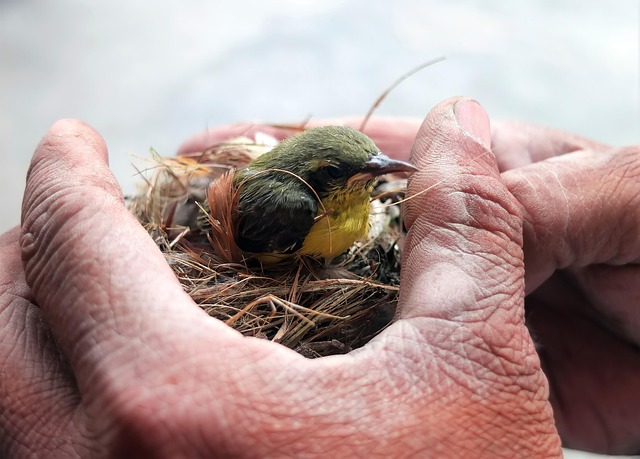
In New York state, universities navigating service animal regulations face a unique challenge: distinguishing between service animals and emotional support animals (ESAs). This distinction is crucial as it triggers different legal protections and accommodation requirements under the Americans with Disabilities Act (ADA) and the Fair Housing Act (FHA). Service animals, defined by the ADA as dogs or other animals specifically trained to perform tasks for individuals with disabilities, enjoy broader public access. In contrast, ESAs, while legally protected, are granted less extensive rights, primarily in housing settings. For instance, a dog aiding a visually impaired student during campus navigation would qualify as a service animal, whereas an ESA might be limited to providing emotional comfort without performing specific tasks.
Understanding this nuanced difference is vital for effective disability accommodation. Universities should ensure their policies and practices align with current legal frameworks. This includes requiring mental health professionals to provide letters explicitly detailing the need for an animal companion therapy benefit, which can facilitate reasonable accommodations for students with disabilities. For example, a letter from a therapist confirming that an ESA is necessary to alleviate symptoms of anxiety or depression related to a student’s disability could prompt appropriate action from university administrators. Data suggests that such accommodations can significantly enhance student success and well-being; thus, proactive and informed policies are essential.
Practical steps for universities include conducting regular training sessions for staff and faculty on service animal laws in NY, particularly focusing on the differences between service animals and ESAs. Creating clear guidelines for documenting and verifying service or emotional support animal status can also streamline the accommodation process. By fostering a culture of understanding and awareness, New York’s educational institutions can ensure they provide equal opportunities for all students while adhering to the law, ultimately promoting an inclusive environment that respects individual needs and rights.
Defining Service Animals vs. Emotional Support Animals

Defining service animals versus emotional support animals is a crucial aspect of navigating university policies in New York State, particularly in cities like Albany. While both types of animals offer significant assistance to their handlers, they are distinct entities with unique legal protections and requirements. Service animals, as defined by the Americans with Disabilities Act (ADA), are specifically trained to perform tasks that mitigate an individual’s disability. These can include guiding the visually impaired, assisting individuals with mobility issues, or aiding in seizures. On the other hand, emotional support animals (ESAs) provide comfort and companionship, helping their owners manage conditions such as anxiety, depression, or post-traumatic stress disorder (PTSD).
A key distinction lies in training and certification. Trained service dogs, for instance, undergo specialized education to perform specific tasks, often demonstrated through public access tests. Emotional support dogs, while not required to undergo the same level of formal training, must be certified by a licensed mental health professional. This ensures that the animal provides legitimate support rather than merely serving as a companion. In New York, emotional support dog certification is accessible, allowing owners to register their animals with relevant entities in Albany. However, it’s important to note that not all ESAs are dogs; they can include other animals like cats or rabbits, provided they meet the criteria for providing emotional support.
Understanding these nuances is essential for students and university staff alike. For instance, a student with a service dog may require accommodations such as a designated seating area or specific access to classes, whereas an ESA owner might need a quiet study space but no special access during class time. Universities in New York, including those in Albany, are required to accommodate both types of animals under the ADA, but the specifics can vary. Therefore, students should be aware of their rights and responsibilities regarding service animals vs. emotional support animals, ensuring smooth interactions with university policies and fostering an inclusive campus environment.
Eligibility Requirements for Service Animals on Campus

In New York, including Albany, the eligibility requirements for service animals on university campuses are governed by both state regulations and institutional policies. Service animals, distinct from emotional support animals (ESAs), are defined as animals that are individually trained to perform specific tasks or duties to mitigate a person’s disability. According to NY State regulations on ESAs in housing, service animals enjoy broader public access rights under the Americans with Disabilities Act (ADA). This includes entry into public spaces, businesses, and educational institutions without requiring special accommodations or documentation for each instance of access.
Students seeking to bring a service animal to campus must first consult their institution’s specific policies regarding ESAs and service animals. These policies often include detailed eligibility criteria, which may involve providing proof of training, veterinary records, and a letter from a qualified healthcare provider. For instance, the University at Albany requires students to submit documentation demonstrating that their service animal has been trained to perform a specific task related to their disability. The university also mandates regular interactions between the student and their service provider to ensure ongoing adherence to these standards.
Moreover, it’s essential to understand the difference between service animals and ESAs in the context of mental health therapy with animals in New York. While both types of animals offer support, they serve distinct purposes. Service animals are trained to perform specific tasks, while ESAs provide emotional comfort or sensory input without specialized training. NY’s public access laws for ESAs clarify that only dogs (and in some cases, miniature horses) can qualify as service animals under the ADA. This distinction is crucial when navigating campus policies and ensuring compliance with both state regulations and institutional guidelines.
Training and Documentation for University Compliance

Navigating service animal regulations at universities in New York requires a nuanced understanding of the distinctions between service dogs and emotional support animals (ESAs), particularly in the context of Albany’s legal landscape. While both are protected under federal law, there exists a critical difference in their training and purpose. Service dogs undergo specialized training to perform specific tasks or do work for individuals with disabilities, as defined by the Americans with Disabilities Act (ADA). In contrast, ESAs provide emotional comfort and support but are not required to perform tasks or work.
Ensuring university compliance involves rigorous documentation procedures. Students seeking to bring service animals or ESAs onto campus must provide verifiable evidence of their condition and the animal’s training. This typically includes medical documentation from a qualified healthcare provider describing the individual’s disability and the necessity for the animal, along with certification from a trained professional confirming the animal’s good behavior and obedience to commands. For instance, in Albany, landlords and educational institutions alike must adhere to specific guidelines when dealing with ESAs, as outlined by the New York State Human Rights Law, which offers legal protection for individuals with emotional support animals.
Practical insights for students include proactively reaching out to their university’s disability services office well before enrolling to understand the accommodation process. Moreover, maintaining up-to-date documentation is crucial to demonstrate that the animal poses no threat or disturbance. It’s important to note that service dogs and ESAs are not simply pets; they are integral components of a student’s accessibility needs, deserving of respect and consideration within the university environment.
Accommodations: Rights and Responsibilities of Students

In New York, including Albany, students with disabilities are entitled to accommodations for their service animals, distinguishing them from emotional support animals. This is a crucial aspect of ensuring equal access to education as outlined under the Americans with Disabilities Act (ADA). The primary difference between a service animal and an emotional support animal lies in their purpose: service dogs are trained to perform specific tasks directly related to a student’s disability, such as guiding a visually impaired individual or retrieving items for someone with limited mobility. In contrast, emotional support animals provide comfort and companionship, which is not a regulated function under the ADA.
Students in Albany, NY, must communicate their needs clearly to their university’s office of disability services. They should be prepared to provide documentation from a qualified professional, such as a licensed therapist or psychiatrist, stating that they have a disability and that the animal provides necessary support. Once approved, universities are required to allow service animals on campus and in classrooms, except where a specific safety concern is demonstrated. It’s important for students to understand their rights while also recognizing the responsibilities that come with bringing a service animal to campus.
Universities advocate for assistance animal rights, ensuring students’ needs are met while maintaining safe and inclusive learning environments. However, not all animals designated as service animals meet the criteria or are properly trained. To protect both students with disabilities and the university community, it’s crucial that service dogs exhibit good behavior and responsiveness to their handlers. A mental health professional letter confirming the student’s disability and need for an emotional support animal (ESA) can be a valuable document when navigating these regulations. ESAs enjoy fewer rights than service animals but are still protected under the Fair Housing Act (FHA) in certain situations.
Students should also be aware of their role in this process. They must ensure their animals are well-behaved, properly trained, and not causing a disruption to others. This includes adhering to basic commands and not engaging in aggressive or disruptive behavior. Regular training and socialization can help service dogs become more accommodating companions on campus. By understanding and respecting these regulations, students with disabilities and their service animals can thrive in the academic environment alongside their peers.
Navigating Albany, NY: Specific Regulations and Examples

Navigating service animal regulations in Albany, NY presents unique challenges for students and advocates alike. The city’s laws, while progressive, distinguish between service animals and emotional support animals (ESAs), granting distinct rights and protections. This differentiation is crucial, as it ensures that only animals meeting specific criteria for training and functionality are recognized as service animals, enhancing accessibility for those with legitimate needs.
For instance, in Albany, an individual with a visual impairment might have a dog trained to guide them from home to campus, qualifying as a service animal under the Americans with Disabilities Act (ADA). Conversely, an ESA, such as a cat or mini-poodle, providing comfort through companionship for someone suffering from anxiety or depression, does not enjoy the same public access rights. This distinction is vital in ensuring that spaces like dining halls and libraries remain accessible to those truly reliant on service animals for their well-being.
Advocacy groups play a significant role in fostering understanding of these regulations. Organizations like the Assistance Animal Rights Advocacy group in Albany work tirelessly to educate both universities and the public about the differences between service animals and ESAs. They emphasize the importance of mental health therapy with animals, highlighting how well-trained assistance animals can mitigate disabilities and improve quality of life. Furthermore, they encourage students to register their service animals through the New York City Service Animal Registry, which provides official documentation and fosters a culture of respect and accommodation on campuses across the state.
Understanding the nuances of service animal regulations at universities in New York, particularly in Albany, is crucial for both students with disabilities and educational institutions. Key insights reveal a clear distinction between service animals and emotional support animals under NY law, emphasizing the specific training and eligibility criteria for service animals on campus. Students and universities alike must navigate these regulations, ensuring proper documentation and accommodations. By comprehending the requirements for training and defining service animals vs. emotional support animals in Albany, NY, educational institutions can foster inclusive environments while adhering to legal mandates. This comprehensive guide equips readers with vital knowledge, enabling them to make informed decisions regarding service animal rights and responsibilities on college campuses.